How to make home energy savings
Understand your energy tariff, check whether it’s right for your household, and explore practical ways to reduce energy use at home.

The information below about energy tariffs and switching suppliers differs in Northern Ireland. For Northern Ireland-specific advice, visit the Consumer Council for Northern Ireland.
Check your tariff
Been on the same energy deal for a year or more? Prices change and deals come and go, so the deal that suited you last year may not be the best one now.
Step 1 – Find out what tariff you are on now
Your deal should be named on your bill or in your online account. If you can’t find it, call your supplier and ask for your tariff name and how much energy you used last year — they have to tell you.
Most deals are either:
• Fixed, where the price you pay for each unit of energy stays the same until the deal ends. This gives you certainty about your energy costs and protects you against future price rises.
• Variable, sometimes called standard variable or default tariffs, where the unit price can go up or down during the year.
For domestic customers on a standard variable tariff, the standing charge and unit price are controlled by the energy price cap, which changes every 3 months.
Your total will still depend on how much energy you use. Some suppliers offer tariffs for homes with low-carbon technology, such as a heat pump, solar panels or electric vehicles.
There are different ways to pay for energy. The best option depends on how you prefer to budget and manage your account, most fixed tariffs are only available if you pay by direct debit.
Energy prices are regulated differently in Northern Ireland. Find out more from the Utility Regulator.
Step 2 – Compare your options
Use a price comparison website to compare energy tariffs and find a deal that works for you.
When comparing tariffs, look at:
• The daily standing charge (a fixed amount you pay each day, even if you use no energy)
• Unit rates for gas and electricity (the price you pay for each kilowatt hour, or kWh, of energy you use)
• How estimated annual costs will compare with your current tariff
• How long the tariff lasts
• Any charges for leaving early (known as exit fees)
Consider which option works best for your circumstances.
Owing money does not automatically stop you switching. This can depend on how long the debt has been outstanding, how much you owe and how you currently pay for your energy.
Ask your supplier: even if you cannot move elsewhere, they may have a better tariff for you.
If you’re on a standard variable tariff, you won’t have to pay any exit fees.
If you’re on a fixed deal, there may be an exit fee, but a better rate could still save you money.
Step 3 – Switching tariff or energy supplier
If you find a better deal and decide to switch, the process is straightforward, your new supplier handles everything for you.
When you switch:
• Nothing changes at your property and your energy keeps flowing as normal
• It takes about 5 working days to switch and you have 14 days to change your mind
Using a prepayment meter?
Paying for your energy by prepayment meter, sometimes called a pay-as-you-go tariff, can be a useful way to manage your energy use and household budget.
Prepayment energy rates are cheaper on average than variable direct debit tariffs. However, prepayment is not always the cheapest option overall. Paying by direct debit may give you access to cheaper fixed tariffs, which can also protect you against future price rises and spread estimated annual costs through regular monthly payments.
Speak to your supplier to understand your payment and tariff options. See Which? for a summary of suppliers’ top-up options, emergency and friendly credit, and switching criteria.
Struggling with your bills?
You don’t have to sort it out on your own. Talk to your supplier, and get free, confidential advice from Citizens Advice. More on help if you’re behind with your energy bills.
If you are in Scotland, contact Advice Direct Scotland or call 0808 196 8660.
Small changes that add up
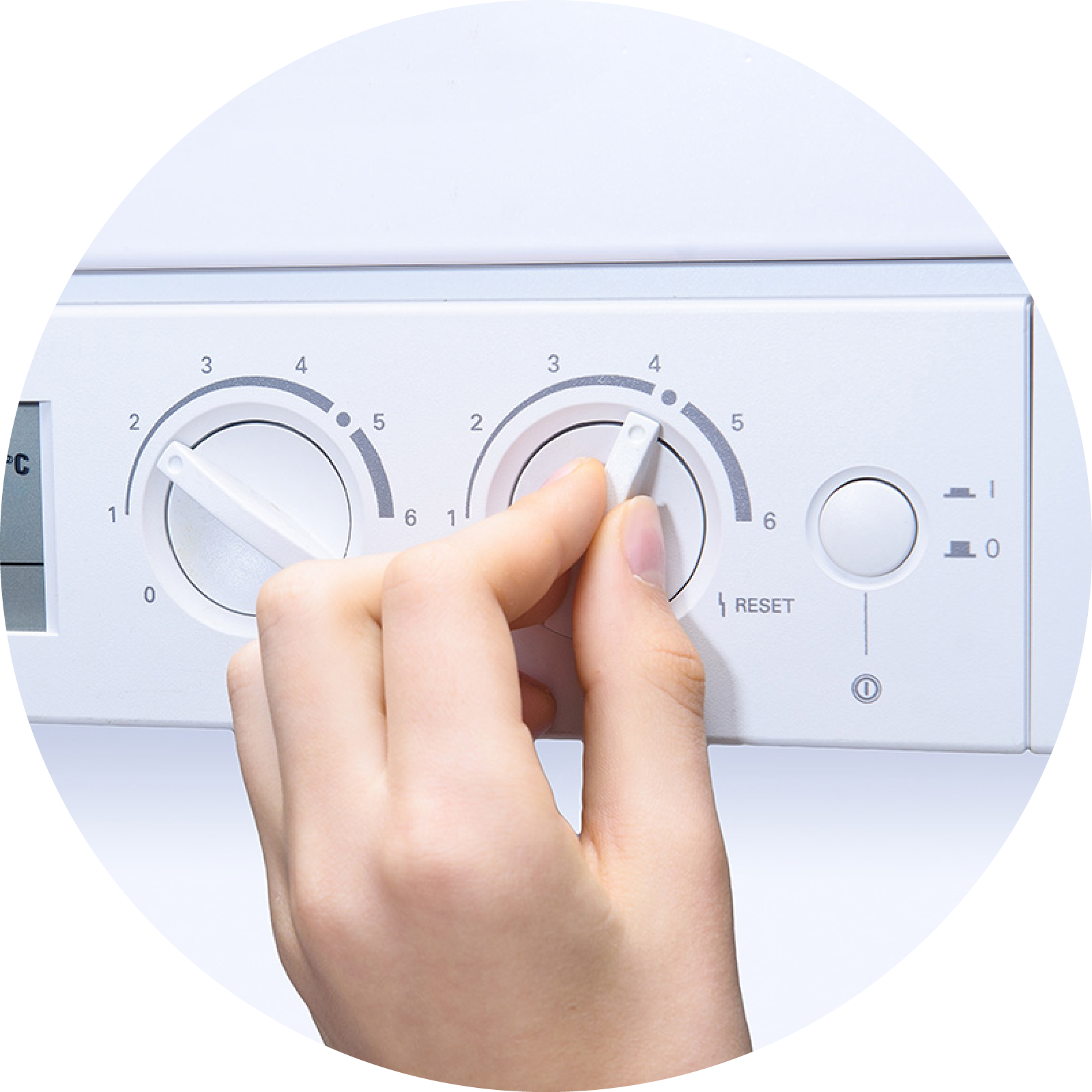
Reduce your combi boiler flow temperature to 60°C
Most boilers are set too high – lowering the flow temperature can make yours more efficient and cut your bills. However, if you’re over 65 or have children under 5 or health conditions, take extra care to make sure your home stays warm enough.
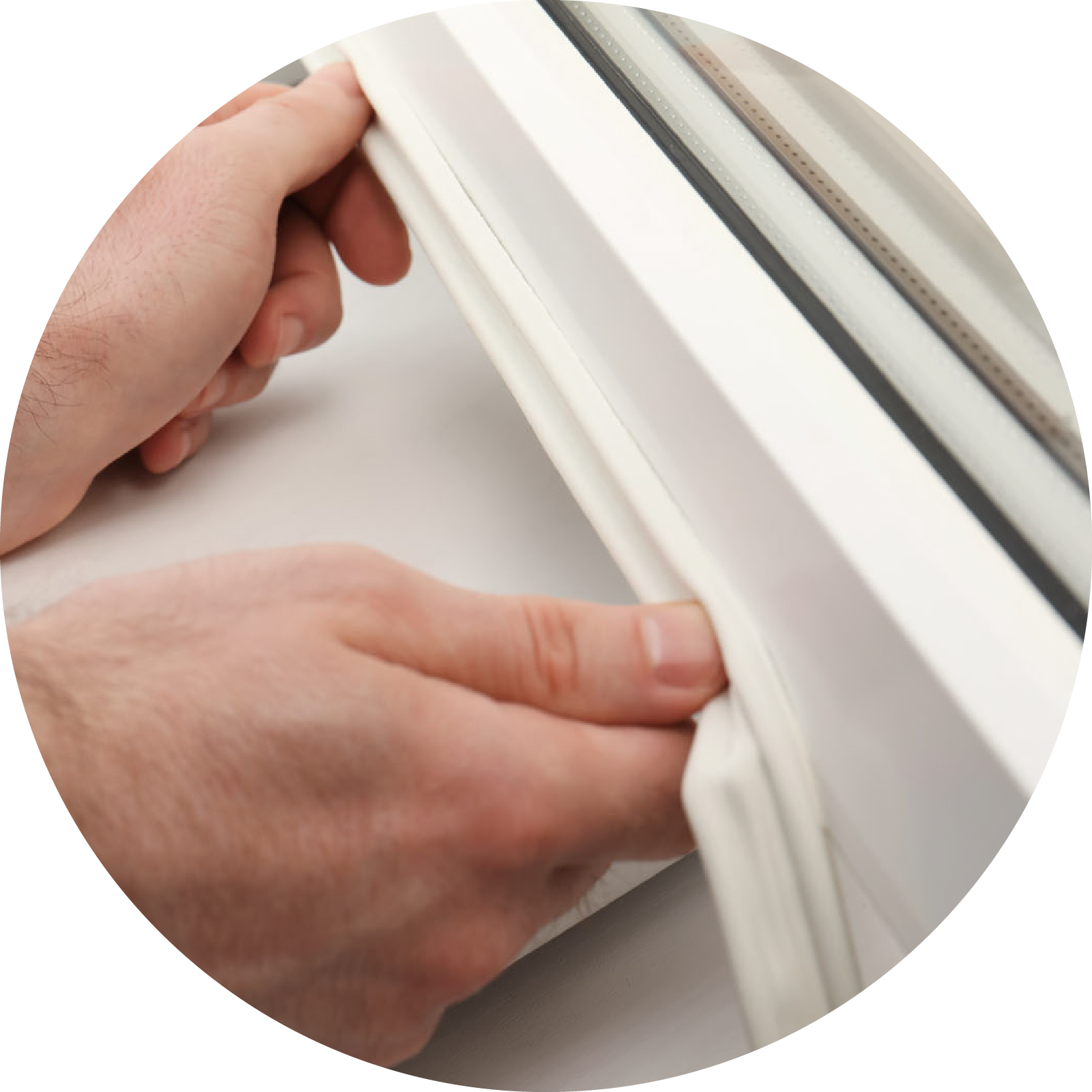
Find and fix draughts around the property
Have a good look for gaps around windows, doors, pipes and floors. Look out for visible light, listen for noises on windy days, and feel for air moving around. Different material may be required depending on the gaps – and be careful not to seal essential ventilation like extractor fans or airbricks.
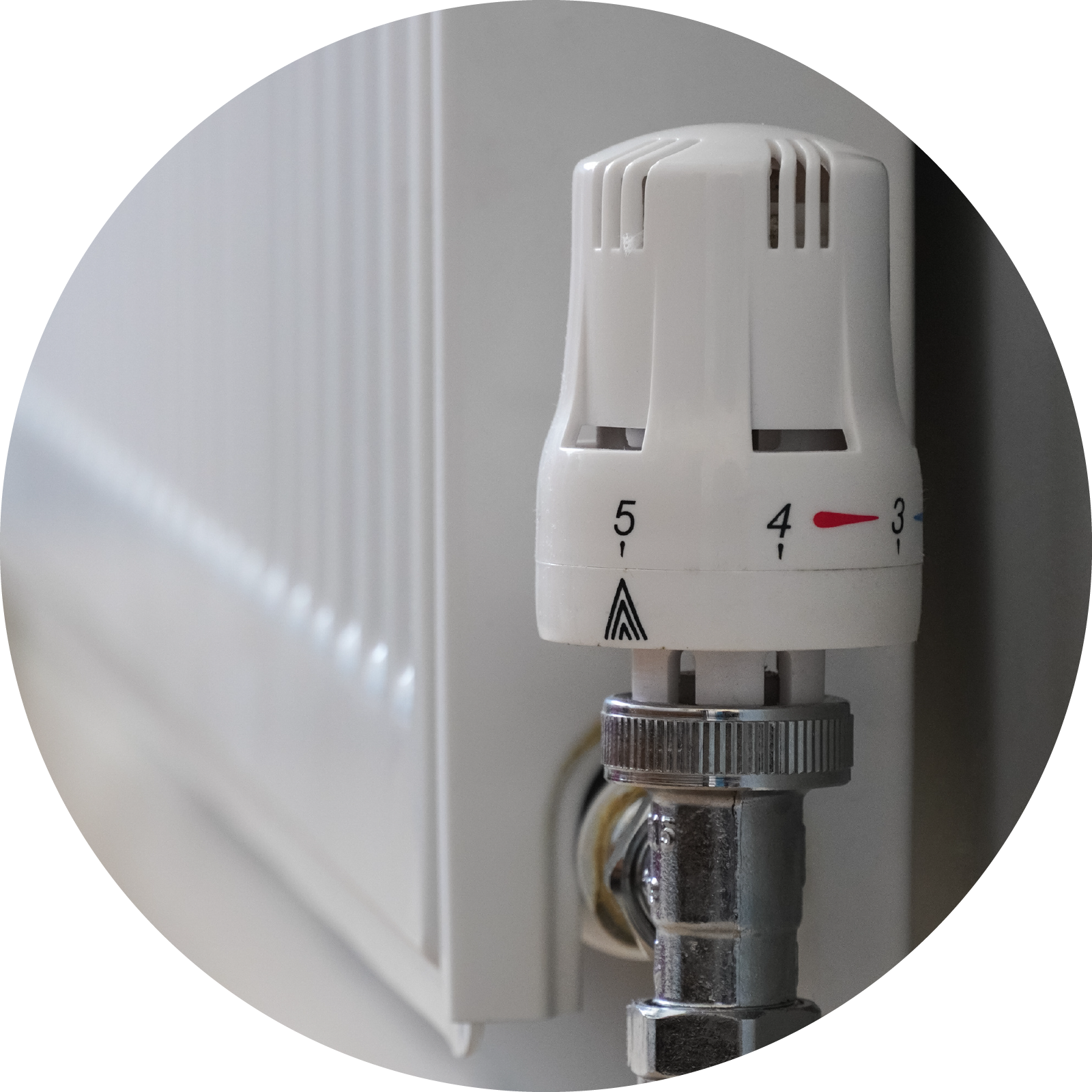
Turn radiators down, not off, in rooms you’re not using
Lowering the settings in rooms you’re not using much can save energy and help your boiler run more efficiently. Turning them off completely can actually increase risk of damp and mould. If you’re over 65 or have children under 5 or health conditions, take extra care to make sure your home stays warm enough.
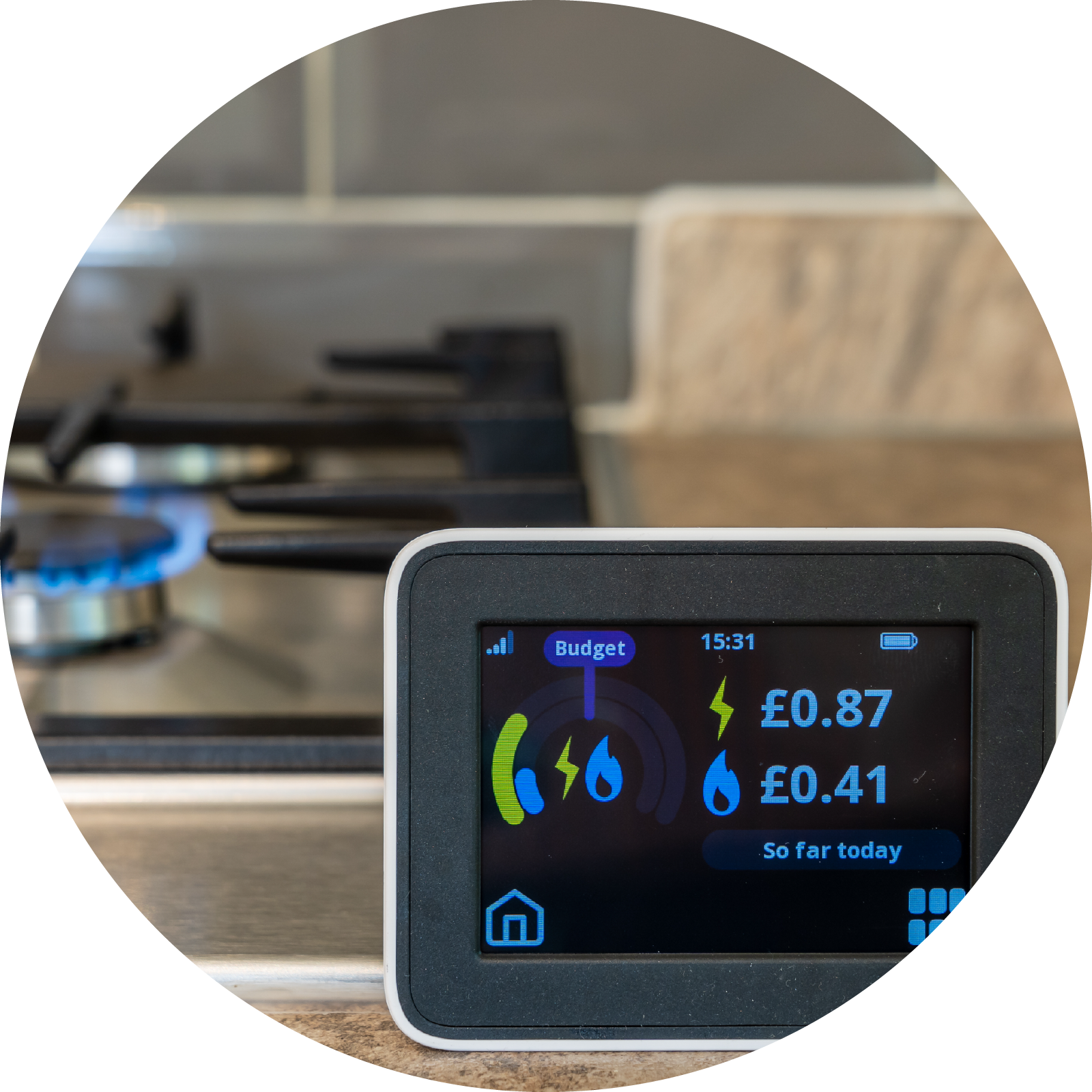
Install a smart meter
Energy suppliers install smart meters at no extra cost. Smart meters send automatic readings to your supplier, ending estimated bills and making budgeting easier — and they’re what let you make the most of time-of-use tariffs, which charge less at quieter times of day. These suit households that can shift when they use energy, such as charging an electric car or running the washing machine overnight.
Other energy saving actions
There are other simple changes you can make around your home to use less energy.
Curious about what else you can do to save energy?
Click below to learn more.