Switch to an EV and get that electric feeling
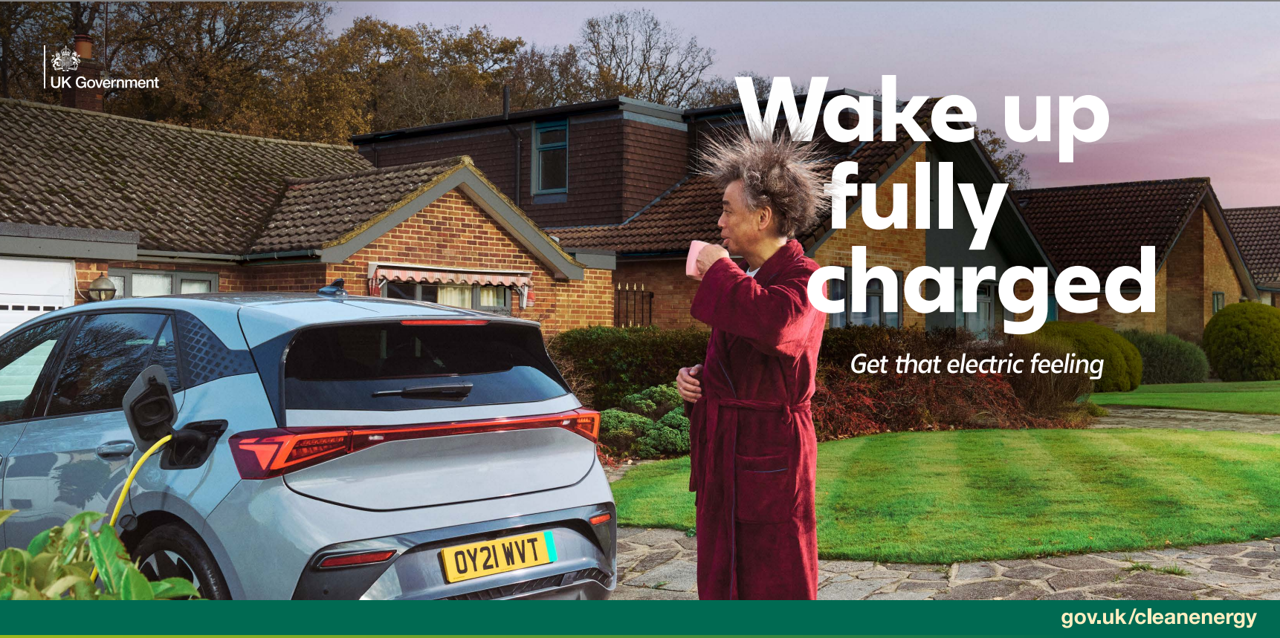
Around 9 in 10 electric vehicle (EV) drivers would recommend an EV1.
Whether it’s your first EV or an upgrade, now is the time to switch and save up to £3,750 with the government grant.
Why should you switch to an EV?

EVs represent an increasingly affordable and practical choice for British drivers, offering significant financial advantages over traditional petrol and diesel cars.
Discover why there’s never been a better time to switch to an EV:
1Electric vehicle (EV) driver behaviours and attitudes tracker (Year 1 findings, 2025)
Cost
EVs represent an increasingly affordable and practical choice for British drivers, offering significant financial advantages over traditional petrol and diesel cars.

Lower running costs
- Home charging costs from as little as 2p per mile.
- EV owners charging at home off-peak can save up to £1,400 a year on running costs.
- No oil changes, less brake wear and fewer moving parts can mean lower lifetime maintenance costs.
Purchase costs
- New EVs start under £25,000, with some below £16,000.
- Two in five used EVs now cost under £20,000.
- Some used EVs are available for less than £5,000.
- Salary sacrifice schemes offer additional tax savings to help more people make the switch.
Save up to £3,750 on a new electric car
Government has committed £2bn in grants to slash electric car prices, saving UK households up to £3,750 when you upgrade or switch to eligible electric vehicle models with an RRP under £37,000. Available grant amounts are based on sustainability criteria, with the greenest vehicles in band one receiving up to £3,750 and band two vehicles receiving up to £1,500.
If you’re buying a fully electric car, you’ll benefit from lower tax costs, including first-year Vehicle Excise Duty (road tax) of just £10 for zero emission vehicles, along with generous salary sacrifice and Benefit in Kind rates.
From now until 2035, more than £7.5bn has been committed to support the transition to EVs, including grants for EV charge point installation.
Range
Modern EVs offer impressive range capabilities that meet the needs of most drivers’ daily journeys, supported by a rapidly expanding charging infrastructure across the UK.

Range capabilities
- The average range of a new electric car is now 239 miles per charge2 about two weeks of driving for most people.
- There are now over 40 models quoting ranges over 300 miles.
Charging infrastructure
- The UK has over 120,000 public chargers nationwide, as of 1st April 2026.
- Rural areas saw a 45% increase in chargepoints in 2024.
2Range of full electric vehicles cheatsheet – EV Database (correct on 29 April 2026).
Need to charge whilst you are out and about?
Apps like Zapmap can provide a comprehensive and reliable charge point mapping and data service.
With these apps, you can access real-time charger status, payment options, and up-to-date insights through an easy-to-use platform designed to make EV travel simple and stress-free.
Convenience
EVs are designed for longevity and provide a smoother driving experience compared to traditional petrol and diesel cars.

Battery durability and warranties
- EV batteries must have an 8-year or 100,000-mile warranty, whichever comes first.
- Most batteries retain a capacity of 80-90% after this warranty period.
Driving experience
- Electric motors provide instant torque, delivering seamless acceleration.
- EVs have fewer moving parts so offer a smoother, quieter driving experience with less vibration and noise.
- Reduced mechanical complexity boosts reliability.
Hear more about how an EV can fit into your lifestyle:
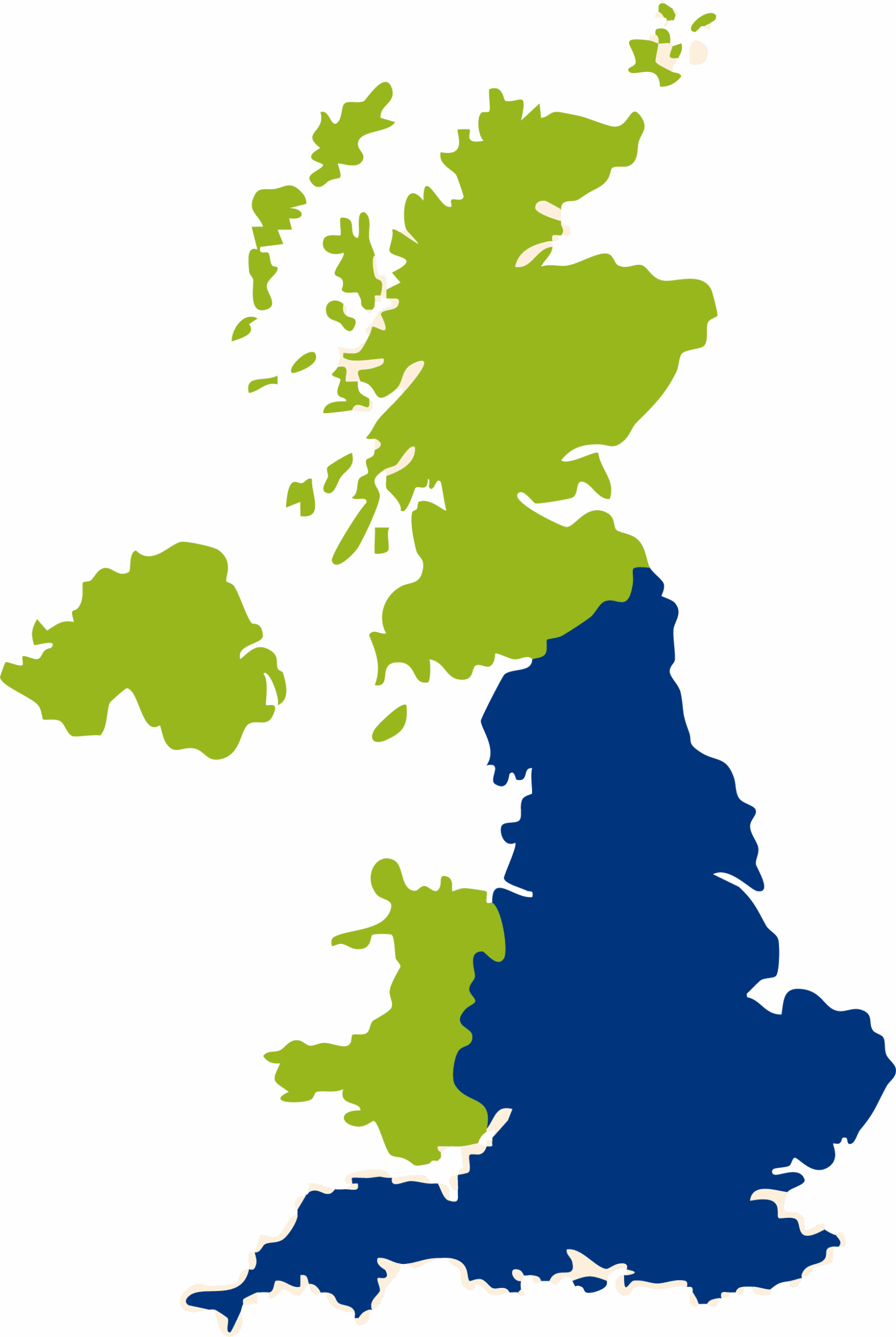
Do you live in Wales, Scotland or Northern Ireland?
Wales
If you’re in Wales, you can find out more about switching to an EV from Climate Action Wales. Find out more about EV chargepoints from Transport for Wales.
Scotland
If you’re in Scotland, you may qualify for up to £400 through the Domestic Charge Point Fund to help cover the cost of purchasing and installing a home EV charger. Residents without off-street parking may also be eligible for the Cross-pavement Charging Grant.
Northern Ireland
If you’re in Northern Ireland, you may be able to get a grant towards a chargepoint installation. Find out more from the Department for Infrastructure.
Frequently Asked Questions (FAQ)
Lease
Leasing an EV offers flexibility, with monthly payments often matching petrol or diesel equivalents.
Many lease packages include servicing and charging solutions for peace of mind.

Buy
Visit dealerships and take test drives to compare models, battery range, and features that suit your lifestyle.
Making the move to an electric vehicle is getting easier and more affordable. Some employers also offer salary sacrifice schemes that let you lease an EV through your workplace. You pay for the car through your salary before tax, saving on both income tax and National Insurance.
Thanks to the government, you can also benefit from support and tax savings designed to help more people make the switch.
Find out more about the Electric Car Grant (ECG) today.
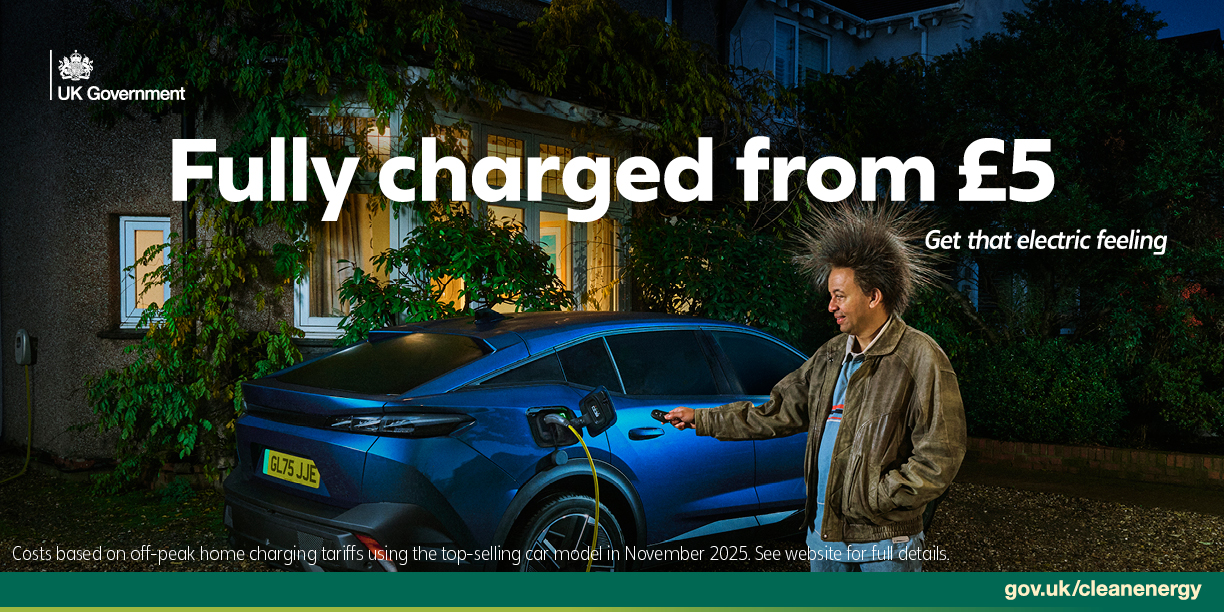
Advancements in technology mean EVs are going further than before on a single charge and charging from home means a journey from London to Sheffield can cost less than £5*.
On the cheapest home tariffs you can run an EV from as little as 2p a mile and some public charging is available for less than the equivalent cost of running a petrol car.
*See substantiation below.
If you don’t have a drive way or if you are unable to install a chargepoint at home, you can still make the switch.
Apps like Zapmap provide EV drivers the ability to see the network of chargers in their vicinity or on common routes. You can filter by power, connector type and network, with further detail on the markers.
Discover the network in your area:
Supporting Data and Analysis for EV Campaign Messaging
Published 16 January 2026
Updated 28 April 2026
Driving 177 miles on a single charge, used for: [London] to [Sheffield] on a single charge
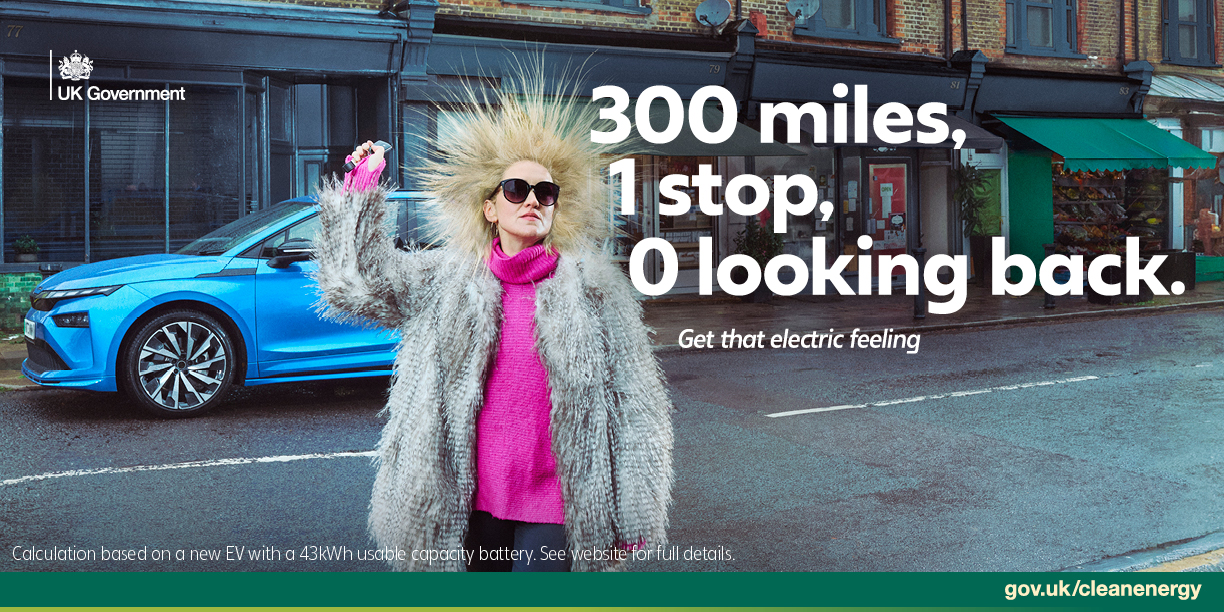
300 miles. 1 stop
Charge for around £5
Save up to £1,400 a year on running costs.
Further considerations
Curious about what else you can do to save energy?
Click below to learn more.